


























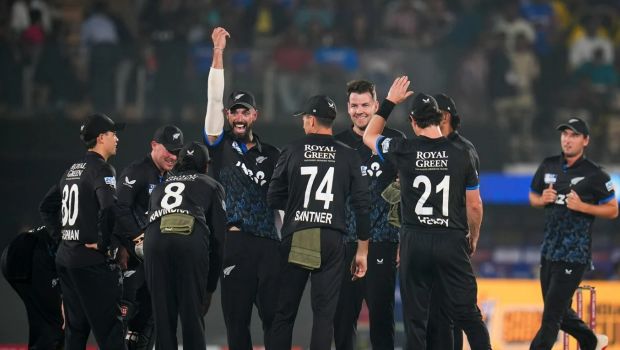
New Zealand are currently hosting South Africa in a five-match T20I series, and it has already shaped up into a compelling contest. With the series locked at 1-1, there is a growing sense of intrigue around how it might unfold, especially given the unique circumstances surrounding both teams.
One of the definisng aspects of this series is the absence of several key players from both sides. The decision to rest many of the “big guns” comes in the immediate aftermath of the ICC Men’s T20 World Cup, which only recently concluded. New Zealand, in particular, had a long campaign, reaching the final on March 8 and also facing South Africa in the semi-final just days earlier. Given the intensity and demands of that tournament, it is understandable that several players have been given a break to recover physically and mentally.
This has opened the door for a number of players who might not otherwise have featured prominently. For New Zealand, the return of Devon Conway—who was part of the earlier squad but did not get much opportunity—is significant. Alongside him, Tom Latham adds experience to a side that otherwise has a relatively fresh look. At the same time, players like Tim Robinson and Nick Kelly have been brought into the setup, providing them with a valuable chance to prove themselves at the international level.
The bowling department, too, reflects this experimental approach. Ben Sears, a quick bowler with promise, and Zakary Foulkes are among those getting opportunities. These are players who do not regularly feature in the national side, so this series serves as an important platform for them to showcase their abilities and stake a claim for future selection.
South Africa are in a similar phase of experimentation. Touring New Zealand with a significantly altered squad, they too are using the series to test depth and broaden their player pool. From their perspective, it has been encouraging to see individuals stepping up. Gerald Coetzee, for instance, has had the chance to make an impact, while players like Ottneil Bartman and Nqobani Mokohane are also being given a run. The team is being led by Keshav Maharaj, adding another layer of change to the setup.
The sheer scale of personnel changes across both teams has made the series somewhat unpredictable. Many of the players who were part of the squads during the recent campaign in India are either absent or playing limited roles. As a result, it becomes difficult to gauge form and momentum in the conventional sense, making each match a fresh contest.
Conditions in New Zealand add another dimension to this uncertainty. With the series taking place towards the end of March, it is late in the domestic season. At this time of year, pitches can vary significantly. Some surfaces may be tired after a long season, potentially favoring slower bowlers or making stroke play more challenging. At the same time, New Zealand’s ever-changing weather can influence conditions dramatically. Rain and overcast skies can inject life into pitches, creating ideal conditions for seam bowlers, who typically relish such environments.
All these variables combine to make the series finely balanced. With the scoreline currently at one apiece, the third match becomes particularly important. As the teams move across different venues in the country, adapting to varying conditions will be key. It is precisely this unpredictability that makes the series so engaging, even without many of the star players.

There are also individual storylines worth noting. Kyle Jamieson’s return is a significant development for New Zealand. Standing at six foot eight, he brings a unique physical presence, but his career has been interrupted by back injuries. His comeback is therefore not just about immediate performance but also about rebuilding rhythm and confidence.
Similarly, Lockie Ferguson has had a mixed run. After a difficult outing in the T20 World Cup final in Ahmedabad against India, where he was heavily targeted, he has responded well in this series with a strong performance, taking three wickets for just 16 runs. That kind of spell can do wonders for a bowler’s confidence and could be a turning point as the series progresses.
Ultimately, what stands out most about this contest is its forward-looking nature. With so many new faces on display, both teams are clearly thinking beyond immediate results. This series is as much about preparation and evaluation as it is about winning. It offers selectors and team management a chance to assess bench strength and identify players who could play bigger roles in the future.
Looking further ahead, there is also the broader context of global tournaments. The next T20 World Cup is scheduled for 2028 and is to be co-hosted by Australia and New Zealand. That may seem some distance away, but building a strong and adaptable squad requires long-term planning. Series like this one play a crucial role in that process.
Additionally, the cricketing calendar is evolving, with the sport set to feature in the Olympics in Los Angeles around July-August 2028. This adds another layer of significance to talent development, as teams will need to be prepared for different formats and global stages.
In that sense, this New Zealand versus South Africa series is more than just a bilateral contest. It is a testing ground, a learning opportunity, and a glimpse into the future of both teams. With the series delicately poised and plenty of young talent on display, it promises to remain an engaging and competitive affair as it progresses.