


























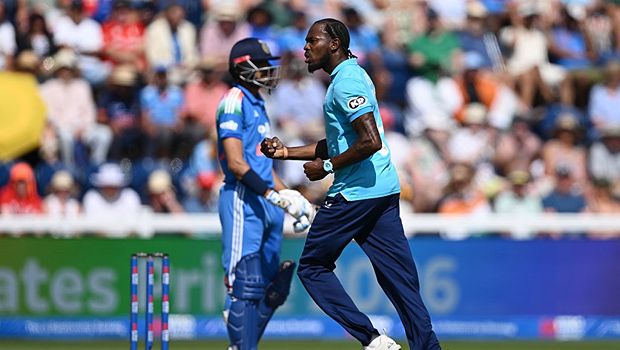
When Jasprit Bumrah walks out to bat with 10 overs still left in an ODI innings, you know something has gone badly wrong. India’s batting collapse in Cardiff was precisely that — a dramatic unravelling that turned a promising position into a below-par total and allowed England to level the series.
At one stage, India were cruising at 104/1 and looked well on course for a score in excess of 300. The top order had done the hard work on a tricky Cardiff surface against a disciplined and hostile England pace attack. Virat Kohli, with a fluent 66 off 66 balls, once again looked in complete control, while Shreyas Iyer played another composed hand with 66 off 71 deliveries. Together, they appeared to have laid the perfect platform for a commanding finish.
Instead, the innings imploded.
The turning point came after the 28th over. England’s fast bowlers cleverly changed their lengths, peppering the Indian batters with short-pitched deliveries and forcing them onto the back foot. The tactic worked brilliantly. India lost seven wickets for just 55 runs and were eventually bowled out for 233 in only 44 overs.
Jofra Archer was at the heart of the collapse. He first dismissed Kohli just as the former captain looked set for another ODI hundred. Archer then bounced out Axar Patel before deceiving Shivam Dube with a fuller delivery. In between, Saqib Mahmood joined the party by dismissing Washington Sundar with another well-directed bouncer. India had suddenly lost four wickets for just 15 runs, completely surrendering the initiative they had worked so hard to build.

While Iyer deserves credit for another assured innings, his dismissal also came amid that dramatic collapse, leaving the lower order with far too much to do.
India were also hampered by the absence of KL Rahul. His experience and ability to anchor an innings could have made a significant difference once the pressure began to mount. Equally important was the lack of batting depth. With Hardik Pandya, Nitish Reddy and Harshit Rana unavailable, India were left without the luxury of a genuine bowling option who could also contribute meaningfully with the bat at number eight.
That said, injuries and absentees cannot completely explain what happened. The biggest disappointment was India’s middle order, which failed to respond once England shifted gears with the short-ball strategy. Good ODI sides absorb pressure, rebuild partnerships and bat deep into the innings. India did none of those things in Cardiff.
The series now heads to Lord’s for a winner-takes-all decider. If India are to return home with the series, the batting unit will have to show far greater composure against England’s pace attack and ensure that another promising start does not end in yet another costly collapse.