

























A quiet shift may be underway in Saudi football.
For the past three years, the Saudi Pro League made global headlines by attracting some of the most recognizable names in the sport with massive salaries. The message was simple: the league was buying credibility through star power.
Now, a different pattern is emerging.
Karim Benzema, one of the most high-profile arrivals to the Middle East, has publicly expressed frustration after receiving what he considered a disrespectful contract proposal to extend his stay. The French striker, still productive on the field, has stepped away from first-team activities and is reportedly assessing his options.
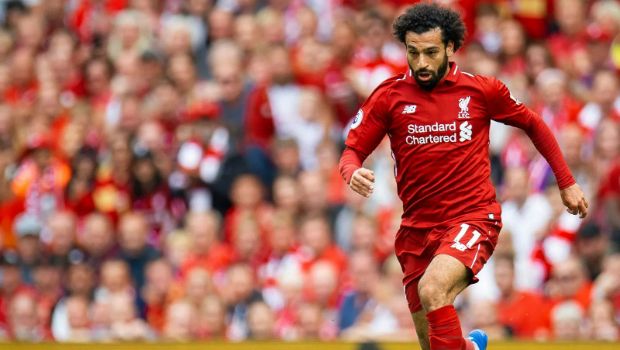
This is not an isolated situation. Several established stars at PIF-backed clubs are rumored to be on the way out. And when you connect the dots, a new narrative begins to form: Saudi clubs may be creating space for a generational refresh, with Mohamed Salah and Vinícius Jr. seen as priority targets.
Benzema’s dissatisfaction is telling. The offer he received was not in line with the financial standards that initially convinced him to leave Europe. Instead, it appeared symbolic, almost discouraging, to the point where continuing under those terms would feel like playing without proper compensation.
For a Ballon d’Or winner still delivering goals, that kind of proposal feels deliberate.
The contracts of many marquee players in Saudi Arabia are centrally influenced by the league’s governance structure, especially within PIF-owned clubs. This means individual clubs are not entirely free to negotiate as they please. Strategic decisions about resource allocation can be coordinated at a higher level.
When players like Moussa Diaby and N’Golo Kanté are also rumored to be leaving, the pattern becomes clearer. These are not random exits. They are expensive contracts being cleared from the books.

This matters because Saudi clubs have not lost interest in Europe’s elite. On the contrary, they are targeting players in their prime, not veterans nearing the end of their careers.
The first wave of Saudi signings was about reputation. Cristiano Ronaldo, Benzema, Neymar, and Sadio Mané brought immediate global attention. They were proof that the league could compete financially with anyone.
But the second phase appears to be about long-term relevance.
Mohamed Salah has been a long-standing target. Vinícius Jr. is now frequently mentioned in transfer rumors. Ousmane Dembélé has also surfaced as a potential objective. These are players at or near their peak, capable of defining the league’s competitive image for the next five years.
To afford them, something has to give.
Clearing the salary commitments of older stars is the fastest way to generate both financial flexibility and squad space. Benzema’s situation fits perfectly into that equation. By making his renewal unattractive, the league may be nudging him toward an exit without formally pushing him out.
It is a strategic reset disguised as contract negotiation.