
























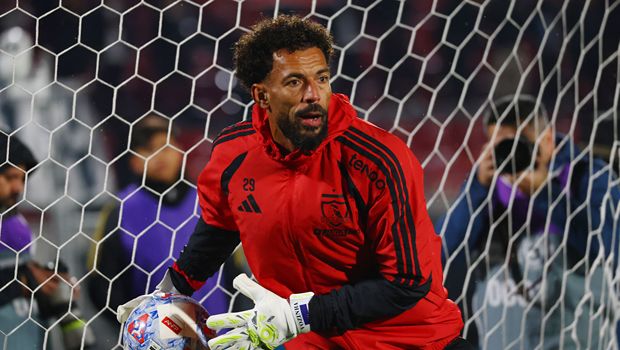
Cape Verde goalkeeper Vozinha has revealed the unusual story behind his nickname, explaining how a childhood joke that once made him angry eventually became a source of pride and a tribute to his family and roots.
The 40-year-old goalkeeper, whose real name is Josimar José Évora Dias, discussed the origins of his nickname in an interview with French newspaper L’Équipe, reflecting on his childhood in Mindelo, on the Cape Verdean island of São Vicente.
According to Vozinha, the name came from a neighbor who was extremely close to his family and enjoyed teasing him whenever things went wrong on the football field.
As a child, Vozinha was fiercely competitive and struggled to accept defeat or concede goals. His emotional reactions gave the neighbor an opportunity to make fun of him.
The neighbor began calling him Vozinha, a Portuguese expression associated with grandmother, suggesting that the young goalkeeper would return home crying to his grandmother after disappointing performances.
Vozinha admitted that he initially disliked the nickname because it reminded him of those frustrating childhood experiences.
However, his perspective gradually changed. What began as a joke became an important part of his identity, and he eventually embraced it as a tribute to his upbringing and the people who helped raise him.
From Childhood Teasing to International Recognition
Vozinha’s relationship with his grandparents played an important role in his early life.
His father served in the military, while his mother worked to support the family. As a result, he spent much of his childhood living with his grandparents.
Growing up in Mindelo, he regularly played football in the streets against older children. His competitive personality meant that losing was particularly difficult for him, especially when he could not respond to the physical challenges presented by his opponents.
He frequently returned home upset after those games, prompting other children to tease him about complaining to his grandparents.
In an earlier interview with La Gazzetta dello Sport, Vozinha explained that these experiences established the nickname long before he became a professional footballer.
The name eventually followed him into professional football.
During his career in Angola, Vozinha encountered another goalkeeper named Josimar. Rather than being identified as the second Josimar, he decided to use the nickname by which people in Cape Verde already recognized him.
That decision transformed a childhood joke into his professional identity.
As his career progressed, Vozinha became known internationally by the same name that had once irritated him.
Vozinha Became a World Cup Sensation at 40

The goalkeeper’s story attracted worldwide attention during the 2026 FIFA World Cup, when Cape Verde made its historic debut in the competition.
Vozinha delivered an outstanding performance against Spain, helping his country secure a scoreless draw in its opening match.
At 40 years and 12 days old, he became the oldest player to appear in a nation’s first World Cup match.
His performance earned widespread recognition, particularly because Cape Verde was making its first appearance on football’s biggest international stage.
Vozinha’s saves against Spain helped introduce him to millions of supporters who had previously been unfamiliar with his career.
His teammates also praised his influence within the national team.
Cape Verde defender Steven Moreira described Vozinha as an important figure within the squad, while Pico Lopes emphasized his demanding personality and leadership during training.
Those qualities reflected the competitiveness Vozinha had displayed since childhood, when losing games in the streets of Mindelo was enough to leave him furious.
A Nickname That Became a Tribute to His Roots
The meaning of Vozinha’s nickname has become especially personal because of his relationship with his grandparents.
Following Cape Verde’s memorable performance against Spain, the goalkeeper expressed gratitude toward his parents and grandparents, acknowledging the influence they had on his life.
He also revealed that both grandparents had passed away, making the connection between his nickname and childhood even more meaningful.
The goalkeeper explained that he had never imagined receiving so much international recognition after growing up in Cape Verde, where opportunities to become a professional footballer were limited.
In his interview with L’Équipe, Vozinha reflected on the importance of Mindelo and the community that shaped his early years.
The name that once represented childhood teasing has become inseparable from his achievements.
For Vozinha, it is no longer a reminder of losing games or returning home upset. It represents his grandparents, his upbringing and his connection to Cape Verde.