

























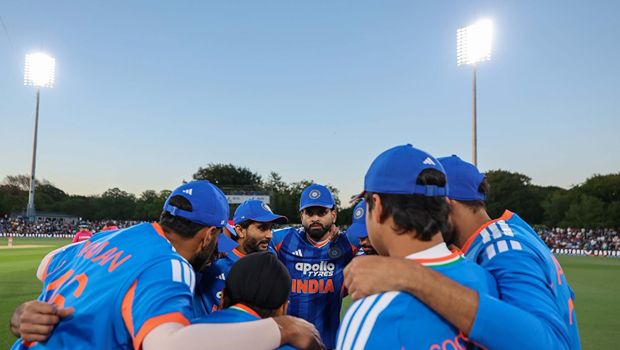
India may have won the T20I series against New Zealand 3-2, but the five-match contest has exposed some worrying weaknesses, particularly in the bowling department. There were positives, most notably Naman Dhir’s performances, but the team management also has some important questions to answer.
Here are my five big takeaways from the series.
One, Dhir deserves a longer run. He contributed with the bat in every match, displaying impressive six-hitting ability and the temperament to handle the demands of the middle and lower order. He has the potential to develop into India’s next finisher and deserves to be backed.
It was also surprising that Shreyas Iyer did not show greater faith in Dhir’s offspin. His bowling could offer India another useful option, provided he is given opportunities to develop it.
Two, India’s lack of faith in specialist spinners is worrying. The management’s reluctance to play specialist spinners outside home conditions was once again evident. Kuldeep Yadav did not get a single game, while Varun Chakravarthy, returning to the side, had to wait until the final match for an opportunity.
Gautam Gambhir’s preference for allrounders batting as deep as number eight has meant regular opportunities for Axar Patel and Dhir. However, neither made a significant impact with the ball.
The bigger concern is that India repeatedly opted against playing a fifth specialist bowler. Batting depth is valuable, but it cannot come at the expense of a balanced bowling attack.

Apart from one match, Axar was expensive with the ball. His batting contributions were also largely underwhelming, barring one innings. The decision to promote him ahead of Tilak Varma in the fourth match was particularly questionable. India need greater clarity about his role in the batting order.
Four, Nitish Reddy cannot be the fifth bowler. Reddy played all five matches but managed only four wickets at an average of 48 and an economy rate of 11.29. Those numbers underline why he cannot be expected to shoulder the responsibility of being India’s fifth bowler.
Indian fans will certainly hope Hardik Pandya returns to full fitness soon. His presence would provide the team with the genuine all-round balance it currently lacks.
And lastly, the Bhuvneshwar Kumar experiment failed. Four matches, one wicket and an economy rate of 11.25. Those are disappointing numbers for Bhuvneshwar, who looked short of pace and confidence. More importantly, why did the selectors pick a medium-pacer approaching 37, who had not represented India for four years? The decision was difficult to justify, and the performances did little to vindicate it.
India have won the series, but the bowling combination remains a serious concern. The team has enough batting firepower. What it needs now is a more reliable and balanced bowling attack.