


























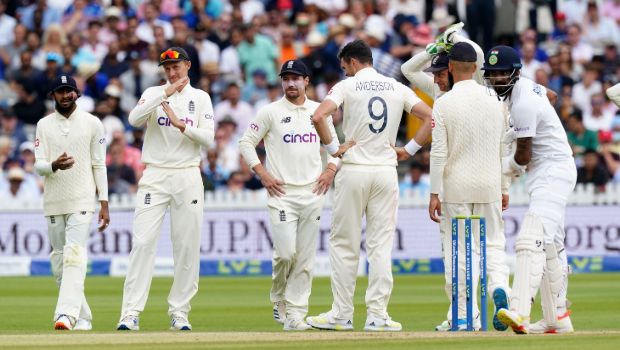
This England vs West Indies match is a huge game in the context of the group for both sides. If we’re being honest, though, both teams were underwhelming in their opening matches. Starting with England, they survived a real scare against Nepal. They could be coming into this contest with a very different mindset had they not managed to save ten runs in the final over. There are lessons to take from that performance.
The first is around Harry Brook. Brook only batted as long as he did because England lost early wickets. The clear takeaway is that he needs to be ready to bat much earlier. Around the eight-over mark, he should have his pads on and be prepared to go in. Brook and Jos Buttler are England’s game-changers, and maximising their time at the crease is crucial.
England do have quality throughout the order. Jacob Bethell continues to shine, and while Phil Salt didn’t have a great day, he is capable of taking a game away very quickly. The key for England is getting the batting order right and remaining flexible based on the match situation.
Another point of interest is Will Jacks. Batting at number seven is an unfamiliar role for him, given he usually plays at the top of the order in the powerplay. However, he has started to look increasingly comfortable there and seems happy with the clarity of his role. That said, I feel he can bat one place higher, possibly ahead of Sam Curran. This may depend on match ups, particularly if left-arm spinners like Akeal Hosein or Gudakesh Motie are operating through the middle overs. If wickets fall and there’s a favourable left-hander match-up, Curran could be promoted. Otherwise, Jacks’ form suggests he deserves to bat higher.
Overall, Brook stayed calm as captain. England were heavily reliant on an outstanding death bowling effort from Sam Curran, who thrives on responsibility and wants the ball in pressure moments. It won’t always come off, but his decision-making was excellent. Brook’s call to hold Curran back for the final over vs Nepal, rather than using him in the penultimate over, was spot-on given the opponents and how the game was unfolding. Even if it meant defending fewer runs, it was the right call. These are valuable lessons Brook will take into this next game against the West Indies.
England’s bowling performance was far from the best. Jofra Archer and Adil Rashid both had off days, and when your two best bowlers struggle, it puts immense pressure on the rest of the attack. England just about survived. If Archer and Rashid have similar days against the West Indies, it will be extremely difficult to contain them. That said, Archer is a class act, and Rashid has been England’s most reliable bowler in this format for years. While his record in India isn’t his strongest, it’s certainly better than what we saw the other day.
Looking at match-ups, England may consider starting with Liam Dawson in the powerplay. Dawson bowls well early on, and a combination such as Archer bowling one over and Dawson the next could be an option worth exploring.

Turning to the West Indies, they will reflect on a solid performance. Posting a competitive total was encouraging, and Shimron Hetmyer batting at number three is a major positive. This is something that has been evident for some time — when Hetmyer bats too low, his impact is limited. At number three, he can shape the innings, and it’s an excellent decision.
The West Indies possess a powerful and deep batting line-up, with the likes of Rovman Powell, Shimron Hetmyer, Romario Shepherd, Shai Hope, Sherfane Rutherford and Jason Holder providing serious firepower. England will need to be close to their best to keep that line-up in check.
Akeal Hosein may not have been used as effectively as he could have been in the previous game, but he could play a key role here. Bowling him in the very first over, particularly against Phil Salt and Jos Buttler, is an option worth considering. Salt won’t hang around and will look to take on the spin, which could either bring early wickets or open up England’s batting.
Conditions in Mumbai will be a factor. It’s a small ground, and with a fresh pitch in an evening game, dew could influence how spinners operate early on. That makes the challenge tougher, but still worth considering. Pace bowlers, meanwhile, will need to be smart. In Mumbai, bowling fuller and at the stumps is often more effective, though mixing in the occasional short ball remains important.
Overall, this is a massive contest. Both sides will be looking to bounce back from under-par performances rather than defeats, and the outcome will have a significant impact on how Group A shapes up.